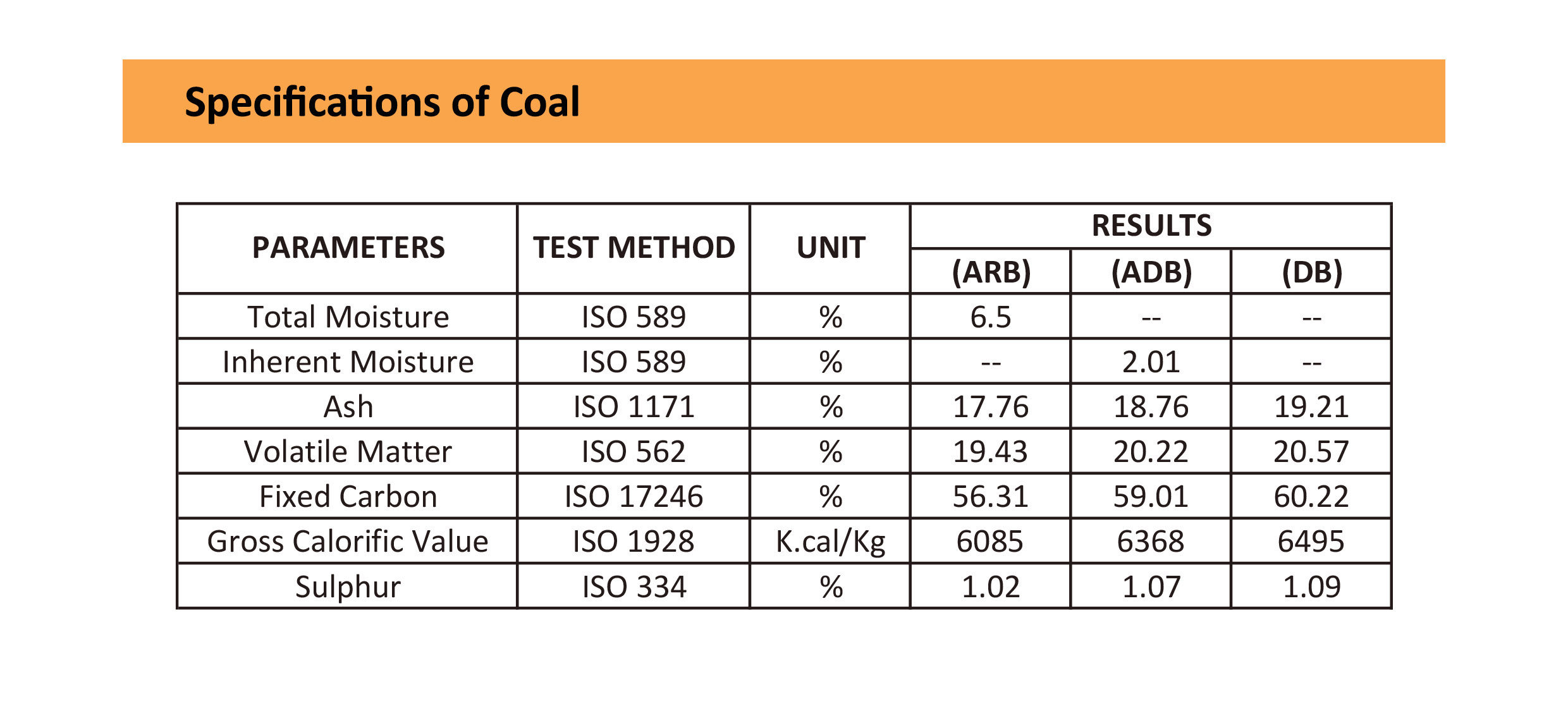


Coal is a naturally occurring fossil fuel primarily composed of carbon, along with varying amounts of other elements such as hydrogen, sulfur, oxygen, and nitrogen. It is formed from the remains of plants and trees that lived millions of years ago and has been an important source of energy for humanity. Coal is mainly used for electricity generation, industrial processes, and in the production of various chemicals and materials.
Types of Coal
Coal comes in different grades, primarily classified by carbon content and energy output. The main types are:
Anthracite: The highest grade of coal, with the highest carbon content and energy density. It is hard and black, and it burns with a clean, hot flame.
Bituminous: A medium-grade coal with moderate carbon content. It is commonly used for electricity generation and steelmaking.
Sub-bituminous: A lower grade of coal with less carbon content. It is used mainly for electricity generation.
Lignite: The lowest grade of coal, which has the lowest carbon content for electricity generation.


Benefits of Coal
Abundant and Accessible:
Global Availability: Coal is one of the most abundant fossil fuels on Earth, and it can be found in many regions of the world. Countries like China, the United States, India, and Russia have vast coal reserves.
Energy Security: Coal provides a reliable and consistent energy source for countries, contributing to energy security and reducing dependency on imported fuels.
Low-Cost Energy Source:
Cost-Effective: Coal has historically been a cheaper energy source compared to other fossil fuels such as oil and natural gas. It is particularly cost-effective for electricity generation and industrial uses.
Stable Prices: Unlike oil and natural gas, coal prices tend to be more stable due to its abundance and the relative ease of extraction.
High Energy Density:
Efficient for Electricity Generation: Coal is highly energy-dense, meaning that it contains a lot of energy in a small volume. This makes it an efficient fuel for power plants, especially in large-scale electricity generation.
- Electricity Generation: Coal remains one of the most widely used fuels for electricity generation worldwide. It accounts for a significant portion of global electricity production, particularly in countries with abundant coal resources.
- Transition to Clean Energy: While coal has been a major source of energy, its environmental impact has led many countries to transition towards cleaner, renewable energy sources such as wind, solar, and hydroelectric power. The push for decarbonization has been prompted by concerns over climate change, air pollution, and greenhouse gas emissions associated with coal combustion.